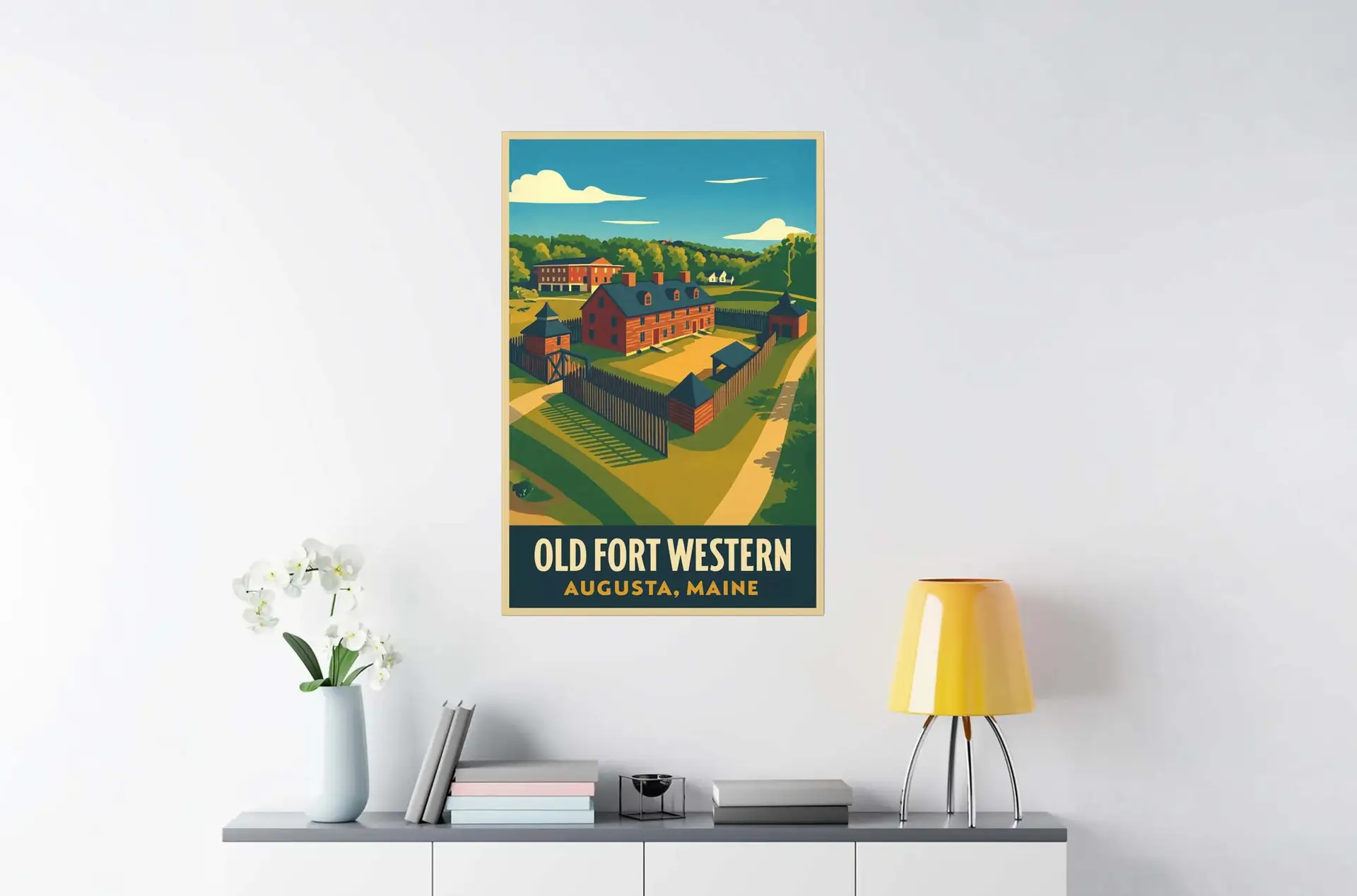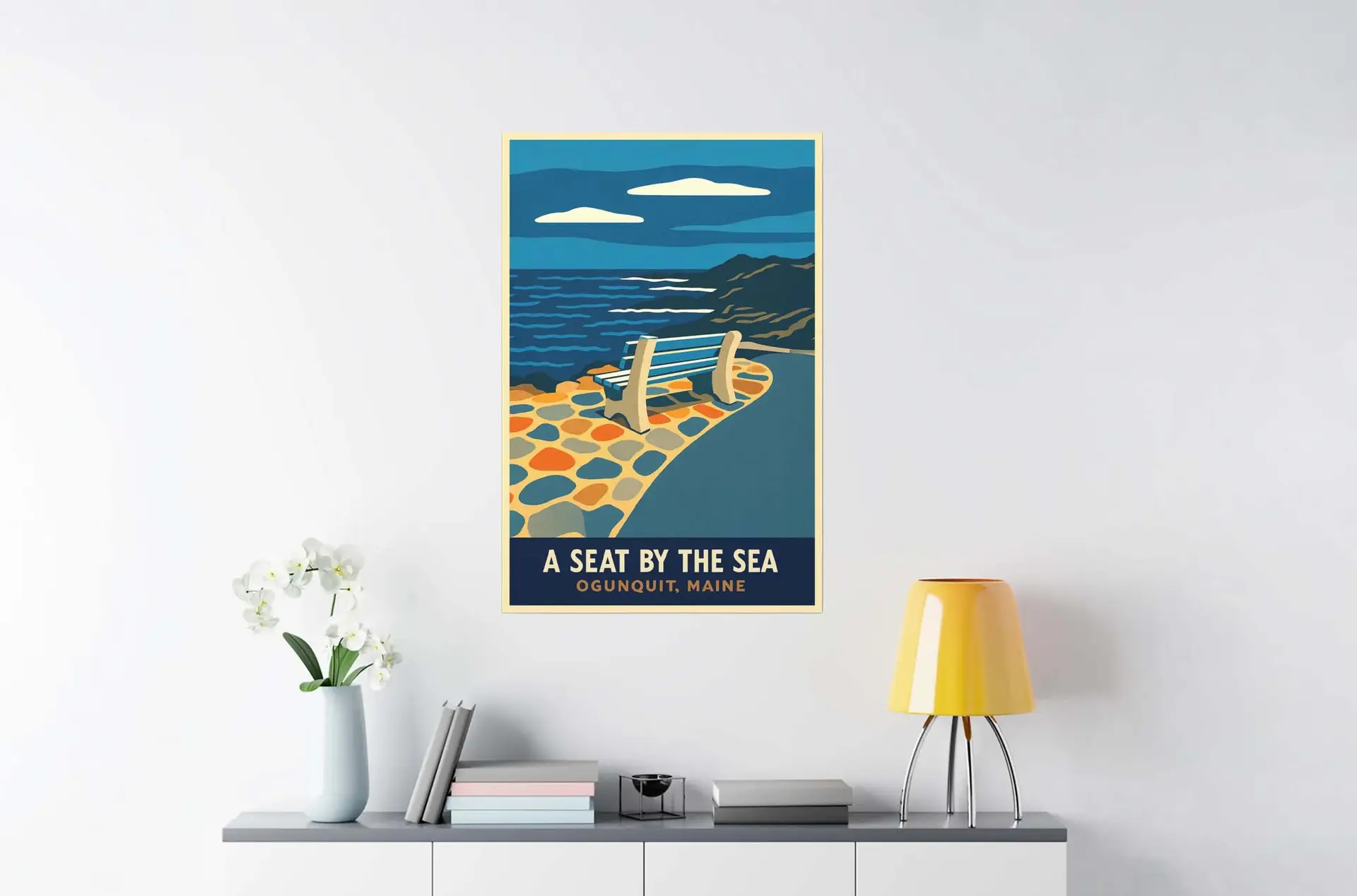
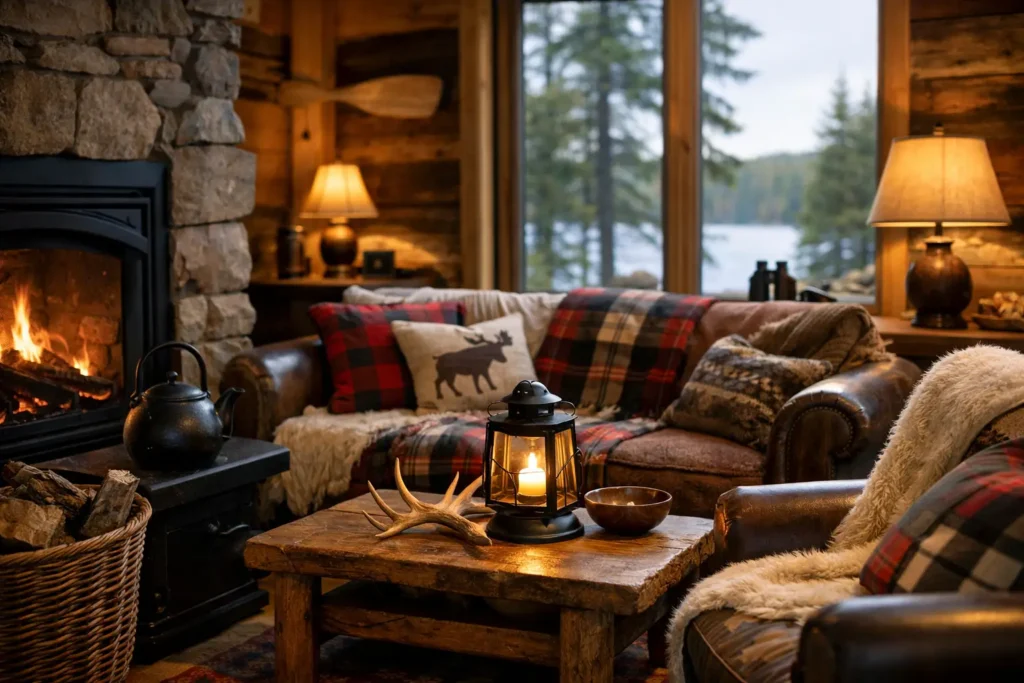
A Maine cabin should not feel like a generic lodge that could sit anywhere in the country. The best Maine cabin decor examples borrow from the things that make this place memorable: weathered docks, pine woods, rocky beaches, lake mornings, lobster boats, loon calls, and the quiet pride of calling camp home. Whether you are styling a year-round home, a family cottage, or a favorite vacation spot, a few well-chosen details can make the room feel rooted in Maine without turning it into a souvenir shop.
Maine Cabin Decor Examples for Every Kind of Camp
There is no single Maine look. A cedar-shingled cottage near the coast calls for different touches than a log camp on a northern pond. Start with the setting you have, then let the decor support it. The goal is warmth, personality, and a sense that the room belongs exactly where it is.
1. A wall gallery built around the Maine coastline
A gallery wall can bring a blank living room wall to life without adding clutter to every surface. Pair a Maine coastline print with lighthouse art, a simple map, or an illustrated beach scene. Choose a consistent frame color, such as natural wood, soft white, or black, so a mix of art still feels intentional.
For a coastal cabin, this is an easy way to bring in familiar landmarks and salt-air color without relying on anchors, rope, and nautical stripes in every corner. A few original, artful prints usually feel more personal than a large collection of matching decor.
2. Lake-inspired art above the sofa
If your happy place is a Maine lake, let that be the focal point. A framed loon illustration, a vintage-style camp print, or art featuring a quiet pine-lined shoreline can set the tone for the whole room. Above a sofa, choose one larger piece or a balanced pair rather than several small items competing for attention.
Blue-gray water tones, evergreen, sand, and warm wood make a relaxed palette that works in every season. This approach is especially good for cabins with knotty pine walls, where a colorful print adds contrast and keeps the space from feeling overly dark.
3. A Maine-themed mug shelf that gets used
Open shelving is often most charming when it holds useful things. Display a small collection of Maine mugs near the coffee maker or on a kitchen shelf, mixing coastal graphics, wildlife designs, and hometown humor. It gives guests something to choose from in the morning and creates a welcoming, lived-in look.
Keep the shelf practical. Leave enough room for everyday cups and avoid filling every inch with signs or decorative bottles. The best camp kitchens feel ready for pancakes, card games, and one more cup of coffee.
4. Lobster details with a lighter touch
Lobsters are classic Maine, but the trick is using them with restraint. One bold lobster pillow, tea towel, serving tray, or piece of wall art can add cheerful color to a neutral room. Red works particularly well against navy, cream, weathered gray, or natural wood.
This is a good choice for a beach cottage, rental cabin, or dining nook that needs a little humor. If the rest of your home is already full of coastal references, choose a more graphic or playful lobster design rather than adding another literal net-and-buoy display.
5. Wildlife art that feels like Maine, not a hunting lodge
Moose, black bears, loons, puffins, and chickadees all have a place in Maine cabin decor. The difference comes down to scale and style. An illustrated animal print, a cozy throw pillow, or a puzzle displayed on a game table brings the outdoors in while keeping the room bright and approachable.
For a family camp, wildlife decor often has the most staying power when it feels friendly and artful. Skip the overly themed approach unless that is truly your style. A single moose print can be charming; a moose on every wall can start to feel like a costume.
6. Vintage camp colors in textiles
Textiles do a lot of work in a cabin. Start with a wool-look throw, woven rug, or cotton blanket in colors that echo the Maine landscape: spruce green, navy, lake blue, cranberry, oatmeal, and charcoal. These additions soften wood furniture and make cool mornings feel more comfortable.
Plaid is always a natural fit, especially in bedrooms and reading corners. Still, it depends on the room. In a small cabin, one plaid blanket paired with solid pillows is often more restful than plaid curtains, plaid rugs, and plaid upholstery all at once.
7. A porch made for slow Maine mornings
Cabin decor does not stop at the door. A simple porch setup with Adirondack chairs, a durable outdoor rug, and coastal or lake-inspired drinkware makes the transition from indoors to outdoors feel special. Add a few weather-friendly pillows if the porch is covered, then keep the rest simple enough to withstand sandy feet and changing weather.
A porch is also a wonderful place for decor with a sense of humor. A Maine saying, a camp-themed design, or a reminder to take the long way home can make visitors smile before they even step inside.
8. A dining table with local personality
The dining table is where a cabin earns its memories. Use a Maine-themed runner, colorful placemats, or a small centerpiece with branches, beach stones, or a vintage lantern. For an everyday table, avoid anything so tall or elaborate that it blocks conversation across the room.
This is a smart place to rotate seasonal touches. A lobster motif feels right in summer, while woodland colors and evergreen details carry the table through fall and winter. The pieces do not need to match perfectly. They just need to feel collected with care.
9. A reading corner with a hometown point of view
Every cabin deserves one chair that invites people to stay awhile. Place it near a window, lamp, or woodstove, then add a small side table, a comfortable throw, and a Maine-inspired pillow or framed print. A stack of local-interest books or a puzzle nearby gives the space a purpose beyond looking nice.
This is one of the easiest Maine cabin decor examples to adapt for a small room. You do not need a full library. One cozy corner can communicate the relaxed, unhurried feeling people come to Maine for.
10. Camp signs that sound like your family
A sign can be meaningful when it says something specific: your camp name, a favorite Maine phrase, a lake reference, or a little inside joke the family repeats every summer. Generic wording is fine, but personal language gives a cabin its own identity.
Use signs sparingly and give them room to breathe. A single well-placed camp sign over an entry bench or in a mudroom feels welcoming. A wall crowded with slogans can distract from the view outside, which is often the best feature of the house.
11. Functional entryway decor for boots, bags, and wet dogs
Maine cabins need hardworking entryways. Start with sturdy hooks, a bench, a washable runner, and a basket for hats or dog leashes. Then add personality with a small Maine print, a doormat with local charm, or a simple coastal accent.
This is where practical design matters most. If your cabin is used by kids, guests, or muddy hikers, choose materials that can handle real life. Decor earns its place when it makes arrivals easier, not when it creates another thing to worry about.
12. One memorable piece that starts a conversation
Sometimes the right finishing touch is not a whole theme but one piece with real character. It might be a Maine map wall hanging, a bright beach towel used as seasonal display textile, a locally inspired puzzle on the coffee table, or original wall art that reminds you of the coast even when you are far from it.
MaineBound Designs creates pieces with exactly that kind of regional spark, from scenic and wildlife-inspired artwork to designs with a little Maine humor. Choose what makes you pause, smile, or tell a story. That is the decor guests will remember.
Let the Cabin Tell Its Own Maine Story
The most inviting cabins do not copy a catalog page. They reflect the people who gather there, the water or woods outside the windows, and the memories made over years of weekends and summers. Start with a few Maine details you genuinely love, balance them with useful everyday pieces, and leave a little open space for the view. A cabin that feels personal will always feel more like home.